
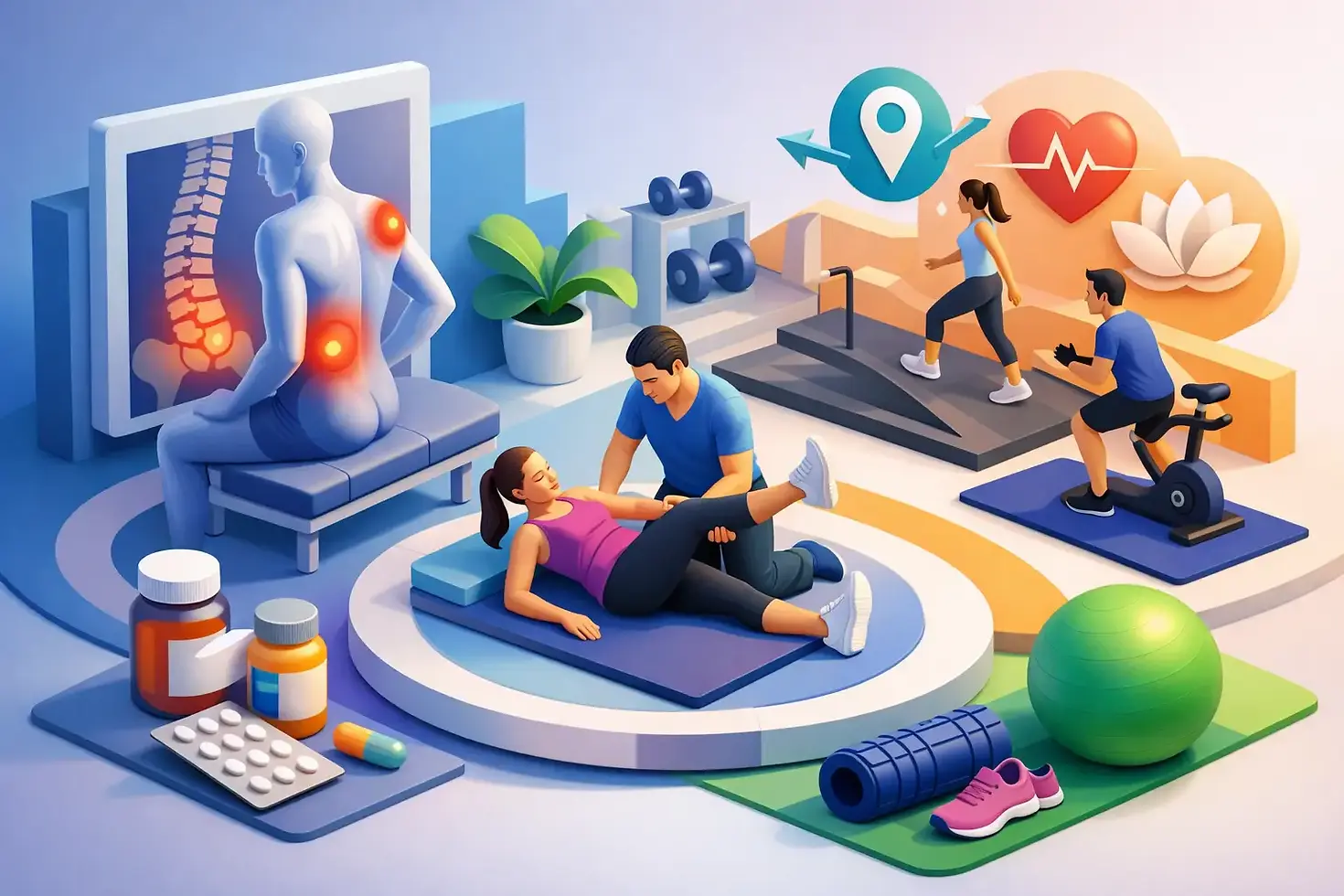
Chronic Pain Management That Supports Movement
- Lakeshore Orthotics
- 1 day ago
- 5 min read

Pain that lasts for months changes more than a comfort level. It can affect how you walk, sleep, work, exercise, and move through ordinary tasks such as standing in a kitchen or getting up from a chair. Effective chronic pain management starts by looking at those real-life limitations, not just asking where it hurts.
For many people, chronic pain is not solved by one treatment or one device. It often responds best to a practical care plan that identifies contributing movement patterns, supports irritated tissues, and helps you return to activities at a pace your body can tolerate.
What chronic pain management should address
Chronic pain is generally pain that continues beyond the expected healing period, often for three months or longer. It may be connected to arthritis, an old injury, repetitive strain, joint changes, nerve irritation, poor circulation, or a condition with more than one cause. Sometimes the original injury has healed, but the body still moves protectively, placing excess stress on nearby muscles and joints.
That is why a useful plan is individualized. Heel pain from long shifts on concrete calls for a different approach than back discomfort after a motor vehicle accident, or knee pain that increases with stairs. The goal is not to promise a quick fix. The goal is to reduce unnecessary strain, improve functional movement, and create manageable next steps.
A clinical assessment may consider your symptoms, health history, footwear, work demands, walking pattern, balance, joint mobility, and the activities that make pain worse or better. This information helps determine whether support, hands-on treatment, therapeutic modalities, mobility equipment, or a combination is appropriate.
Start with the way you move
The feet, ankles, knees, hips, and low back work as a connected system. A change in one area can influence another. For example, a foot that rolls inward excessively may change how the knee tracks, while limited ankle motion can alter the way the hip and lower back absorb force during walking.
Gait and biomechanical analysis can be especially helpful when pain returns with standing, walking, running, or work-related movement. It provides a clearer view of how pressure is distributed and where the body may be compensating. This is valuable for people with plantar heel pain, arch discomfort, shin pain, knee pain, hip discomfort, or lower-back symptoms that appear to be affected by movement.
Custom orthotics are not a universal answer to pain, but they can be an effective part of care when foot mechanics are contributing to symptoms. Unlike an over-the-counter insert, a custom orthotic is made from an assessment of your feet and gait, then designed to provide the level of cushioning, alignment support, or pressure relief you need. The right device should fit your footwear and your daily routine, not sit unused in a closet because it feels awkward or uncomfortable.
Bracing may also have a role. A properly selected knee, ankle, wrist, or back brace can support an injured or unstable area during specific activities. The trade-off is that bracing should support movement rather than replace it completely. Long-term reliance without guidance can sometimes lead to stiffness or reduced confidence in the affected area.
Treatments that may be part of a pain plan
Chronic pain management is often most effective when treatments are selected for a clear purpose. Massage therapy, osteopathy, shockwave therapy, compression therapy, and lymphatic drainage each address different concerns. They are not interchangeable, and the appropriate choice depends on your symptoms, medical history, and assessment findings.
Registered massage therapy may help reduce muscle tension, improve short-term comfort, and make movement feel more manageable. It can be useful when guarding, repetitive work, stress, or altered posture has created tight, sensitive muscles around a painful area. For some patients, massage is most beneficial when it is paired with movement guidance, better footwear support, or changes to work and recovery habits.
Osteopathic treatment takes a hands-on approach to mobility and body mechanics. It may be considered when restricted movement in joints or soft tissues is contributing to discomfort or compensation elsewhere in the body. Treatment should be adapted to the person in front of the practitioner, particularly for older adults, people with osteoporosis, and those recovering from injury.
Shockwave therapy may be recommended for certain persistent tendon and soft-tissue conditions. It is not suitable for every type of pain, and it may cause temporary soreness after treatment. When clinically appropriate, it can be part of a plan for conditions that have not responded to rest, footwear changes, or other conservative measures.
Compression stockings can support circulation and help manage leg fatigue, swelling, and heaviness for some patients. Proper fitting matters. Compression that is too loose may not provide meaningful support, while compression that is too strong or inappropriate for an underlying vascular condition can be unsafe. A professional fitting helps ensure the product is selected and worn correctly.
Make daily activity part of the treatment plan
When pain has been present for a long time, it is understandable to avoid movements that seem likely to trigger it. Complete avoidance, however, can gradually reduce strength, mobility, and tolerance for daily activity. The better approach is usually paced activity: doing enough to maintain function without repeatedly pushing into a severe flare.
This might mean taking shorter walks more often instead of one long walk, using supportive footwear during work shifts, changing positions regularly at a desk, or using a cane or walker temporarily to reduce fall risk and joint load. Mobility aids are practical tools, not signs of failure. The right aid can help you remain active while you recover confidence and capacity.
Small adjustments can have a meaningful effect over time. Choose shoes with adequate support and room for your toes. Replace worn-out footwear before the midsole loses its cushioning. Set up your workstation to avoid prolonged reaching or twisting. If standing is unavoidable, alternate your position and use supportive footwear or orthotics when indicated.
Sleep also matters. Pain and poor sleep often reinforce each other. A pillow that supports your usual sleeping position, gentle movement during the day, and a consistent bedtime routine may not eliminate pain, but they can reduce the exhaustion that makes pain harder to manage.
Know when pain needs medical attention
Conservative care is appropriate for many musculoskeletal concerns, but some symptoms require prompt medical evaluation. Seek urgent care for sudden weakness, loss of bowel or bladder control, severe unexplained swelling, a hot or red joint with fever, chest pain, shortness of breath, or new pain after a significant fall or accident.
You should also speak with a physician when pain is rapidly worsening, wakes you consistently at night, is paired with unexplained weight loss, or does not improve despite reasonable self-care. People with diabetes, circulation concerns, neuropathy, inflammatory conditions, or a history of blood clots should be especially cautious with new foot or leg symptoms.
A wellness provider can work alongside your physician and other health professionals. That coordination matters when pain has multiple causes or when medication, imaging, rehabilitation, and supportive devices all need to be considered together.
A realistic path forward
The most helpful pain plan is one you can follow in everyday life. It should account for your work, home responsibilities, mobility, footwear, health conditions, and goals. A retiree who wants to walk comfortably with grandchildren may need a different plan than a warehouse employee who needs to stand for eight hours, even if both have knee pain.
At Lakeshore Orthotics & Wellness Centre, assessment-led care can bring orthotics, bracing, therapeutic services, compression fittings, and mobility support into one practical plan. The focus is on helping you move with greater comfort and confidence while avoiding unnecessary strain.
Pain may not change overnight, but a clear assessment and the right support can make daily movement feel more possible. Start with the activity you most want to do with less discomfort, then build your care plan around getting back to it safely.


Comments