
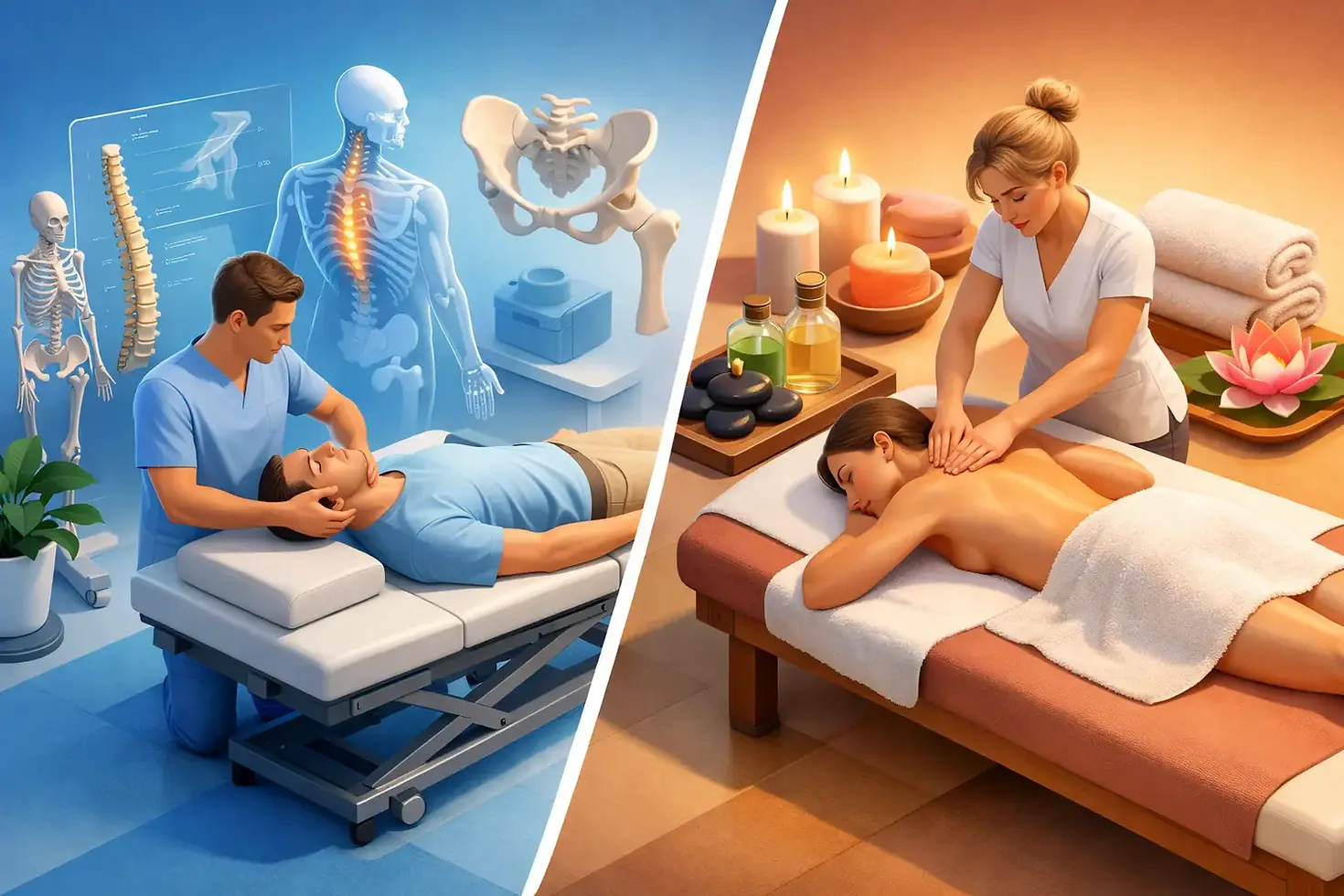
Osteopathy vs Massage Therapy: What Helps?
- Lakeshore Orthotics
- 5 days ago
- 5 min read

A tight neck after computer work, a low back that aches when you stand, or a leg that feels different after an injury can all be described as “muscle pain.” But the right treatment is not always the same. When comparing osteopathy vs massage therapy, the most useful question is not which service is better. It is which approach best matches what is limiting your comfort and movement.
Both treatments can be valuable parts of a non-surgical care plan. They differ in how the practitioner assesses your concern, what they work on during treatment, and the goals they prioritize. One person may benefit most from hands-on work directed at mobility and body mechanics, while another may need focused soft-tissue treatment to reduce muscle tension and support recovery.
Osteopathy vs Massage Therapy: The Main Difference
Osteopathy is a hands-on approach that looks at how the body moves and functions as a connected system. An osteopathic manual practitioner typically assesses posture, joint movement, muscle tension, and the relationship between different areas of the body. Treatment may use gentle manual techniques to improve mobility, ease restrictions, and support more efficient movement.
For example, recurring low back discomfort may not be limited to the low back. Limited hip movement, altered walking mechanics, old ankle injuries, or persistent tension around the pelvis can all affect how that area works. Osteopathic treatment considers these relationships rather than focusing only on the sore spot.
Massage therapy focuses primarily on the muscles and other soft tissues. A registered massage therapist assesses your symptoms, health history, and physical findings, then uses techniques such as pressure, kneading, stretching, and movement to address muscle tension, tenderness, and circulation. Treatment can be calming and restorative, but it can also be specific and clinically focused for an injury or persistent pain pattern.
The distinction is practical: osteopathy often centers on movement, restrictions, and whole-body mechanics. Massage therapy often centers on muscle and soft-tissue health. There is overlap, and both may include assessment, hands-on care, and home-care recommendations.
When Osteopathy May Be a Better Fit
Osteopathy may be appropriate when you feel that your body is not moving well as a whole. Common reasons people seek care include stiffness that returns despite stretching, reduced range of motion, recurring back or neck discomfort, and pain that seems connected to posture or movement habits.
It may also be helpful during rehabilitation when a previous injury has changed the way you walk, sit, reach, or exercise. A person who starts favoring one leg after knee pain, for instance, may eventually notice hip, back, or foot discomfort. An osteopathic assessment can help identify movement restrictions that may be contributing to that pattern.
Treatment is usually not about forcing a joint to move or promising an immediate correction. The pace and techniques should be adapted to your comfort, health history, and goals. Some people notice a change after one session, while others benefit more from a short treatment plan combined with mobility exercises, strength work, or supportive devices.
Osteopathy can also complement orthotic care. If foot mechanics or lower-limb alignment are contributing to strain higher up the body, a gait and biomechanical assessment may help clarify whether footwear, custom orthotics, bracing, or movement-focused treatment should be part of the plan.
When Massage Therapy May Be a Better Fit
Massage therapy is often a strong choice when muscle tension, soreness, or stress-related tightness is the most noticeable problem. It can help when your shoulders feel elevated after long workdays, your calves are persistently tight, or your back muscles are sore after lifting, travel, or exercise.
It can also support recovery from certain injuries when treatment is appropriate for the stage of healing. After the initial acute phase has been assessed, massage may help address protective muscle guarding, tenderness, and reduced tissue flexibility. Your therapist can adjust pressure and techniques based on sensitivity, inflammation, and how your body responds.
Many patients choose massage therapy because it offers direct relief and creates an opportunity to understand their tension patterns. A treatment plan may include advice on stretching, heat or cold use, activity modification, and ergonomic changes that make daily discomfort less likely to return.
Massage therapy is not limited to relaxation. Therapeutic massage can be targeted to specific concerns, including headaches associated with neck tension, repetitive strain, athletic recovery, and muscular discomfort related to altered posture. Still, relaxation can be clinically useful too. When stress is contributing to poor sleep, shallow breathing, or sustained muscle tension, a calmer nervous system may support better recovery.
What an Appointment Usually Feels Like
An osteopathic appointment generally begins with a conversation about your symptoms, medical history, activities, and treatment goals. The practitioner may observe how you stand, walk, bend, or move specific joints. Hands-on treatment can involve gentle pressure, stretching, mobilization, and other manual methods based on the findings.
A massage therapy appointment also starts with an assessment and discussion of your health history. The therapist will explain the planned approach, obtain consent, and adjust treatment based on your comfort. You may receive full-body relaxation massage, focused work on one region, or a combination of techniques suited to your needs.
Neither treatment should leave you feeling pressured to tolerate pain. Some therapeutic techniques can feel intense, particularly in tight or sensitive tissues, but you should be able to communicate openly about pressure and response. Mild soreness after treatment can occur, especially when working on chronic tension or restricted movement. Severe or worsening pain is not an expected goal and should be discussed promptly.
Can You Combine Osteopathy and Massage Therapy?
Often, yes. Combining services can make sense when pain has both movement-related and soft-tissue components. For example, a patient with recurring hip and low back discomfort may use osteopathy to address mobility restrictions and massage therapy to manage overworked muscles around the hips, glutes, and lower back.
The order and frequency depend on your symptoms. Some patients alternate treatments; others begin with one service and reassess after a few visits. The best plan is usually the simplest one that produces meaningful improvement in comfort, movement, sleep, work tolerance, or daily activity.
At Lakeshore Orthotics & Wellness Centre, an assessment-driven approach can also identify when supportive care may be useful alongside hands-on treatment. Custom orthotics, compression stockings, braces, or mobility aids are not replacements for therapy, but they may reduce strain and make it easier to stay active during recovery.
Choosing Based on Your Goals
Choose osteopathy if your main concern is restricted movement, recurring mechanical pain, posture-related discomfort, or a sense that one area of your body is compensating for another. Choose massage therapy if muscle tightness, soreness, stress-related tension, or soft-tissue discomfort is your primary concern.
If you are unsure, start with an assessment. Your symptoms do not need to fit neatly into one category. A qualified practitioner can help determine whether osteopathy, massage therapy, another service, or a referral for medical evaluation is most appropriate.
Seek medical care promptly for new weakness, numbness that is spreading, loss of bladder or bowel control, unexplained swelling, chest pain, fever, sudden severe headache, or pain following a significant fall or accident. Manual therapy is not a substitute for urgent medical assessment when red-flag symptoms are present.
The goal is not simply to feel better for an afternoon. It is to find care that helps you move with more confidence, manage pain responsibly, and return to the activities that matter in your daily life.


Comments